Welcome to another rewrite of an old Trolley Tuesday classic, this time one that never actually made it from Twitter to Blogger! Despite having a wealth of interurban traction holdings in Marin County, San Francisco's East Bay, and down in Los Angeles, the Southern Pacific Railway's Oregonian odysseys were more short-lived, being used as a weapon in a mighty railroad war instead of the usual reason of boosting real estate values. Nevertheless, from 1914 to 1929, the mighty "Red Electrics" ruled the Willamette River's west banks as the Evergreen State's state of the art, largest, and fastest interurban line. On today's Trolley Tuesday, let's look back on what made the Red Electrics so memorable.

Your dose of streetcar and interurban history from the United States and around the world, every Tuesday and Thursday!
Showing posts with label Oregon streetcars. Show all posts
Showing posts with label Oregon streetcars. Show all posts
Tuesday, November 9, 2021

Thursday, November 4, 2021
Trolley Tuesday 11/3/21 - The Oregon Electric Railway... Revisited
Welcome to another round of Trolleyposting in November! Having changed so much since we've first started this blog, I thought it would be a good idea to go back and redo some of the episodes I found quite lacking, either through wholesale absence of information or an early writing style trying to escape from the trappings of Twitter character limits. For our first foray, we return to the state that started off this blog, Oregon, to give you an expanded history on the very first episode, the Oregon Electric Railway, and its long-forgotten interurbans (and its famous rivalry with the SP Red Electrics)!
Thursday, January 30, 2020
Trolley Thursday 1/30/20 - Oregon Electric Railway Museum
For the last Trolley Thursday of January 2020 (and the end of the first month of new content, old episodes from earlier this month will be reposted shortly. Very confusing, isn't it?), I thought it would be nice to end on the biggest trolley museum in the Pacific Northwest, a location I enjoy calling "OERM-North" considering it has the same acronym as my own museum. Sit back and enjoy this brief history of the OERM... North.
-----
 |
| The OERM Logo (OERHS) |
The Oregon Electric Railway Museum was first formed in 1957 with a similar intent to its counterpart in Southern California: To preserve the rapidly-disappearing streetcars all around the Oregon area. The "Oregon Electric" part is no coincidence, as the founders wanted to pay homage to one of the Northwest's own interurban lines.
The organization started as the Oregon Electric Railroad Historical Society in 1959, with their first headquarters on a segment of a disused logging railroad originally owned by the Consolidated Timber Company in Glenwood, Oregon (40 miles outside Portland). The sawmill was reappropriated as a 4-track carbarn and that same year, Sydney Car No. 1187 was the first to call the new "Trolley Park" home.
Into the Sixties, more preserved streetcars began to call the Glenwood Trolley Park home, including British Columbian interurban No. 1394, "Broadway" Master Unit 4012 (originally 813), a Blackpool double-decker tram, and, uniquely, Portland "sweeper" 1455, an example of a streetcleaning streetcar that also doubled as a snowplough. The entire line was a 1.7 mile stretch covering 26 acres.
By the 1970s, the collection gained its biggest acquisitions yet in the form of five ex-Montana Freight steeplecabs from Missoula, MT. An Angelino even made it way up in the form of ex-Los Angeles Transit Lines 1318, an H3-type from 1923, but was too narrow-gauged to operate. Unfortunately, by the time the Council Crest cars 503 and 506 arrived, the line was further dilapidated.
In 1987, following Southern Pacific's abandonment of the "Jefferson Street" line through Lake Oswego, the ICC's cancellation gave the city of Portland to form a consortium that would purchase the line for future transit use. Lake Oswego, Trimet, and Clackamas and Multnomah Counties made up this consortium and later that year on September 12, the OERHS was granted a trial run of a heritage streetcar to drum up interest in the line. The line never had any wires as part of an electric railway, so an electric generator car was created to provide the juice needed.
Blackpool double-decker No. 48 would open the new line as the Willamette Shoreline Trolley, with the Portland Terminus at Moody Avenue and Lake Oswego's just one half-mile north of Downtown. The entire line would run for five miles, much larger than Glenwood Trolley Park which the OERHS was planning to abandon anyway. The line had gotten so delapidated and small that many of the cars (including the Council Crests) were suffering moisture damage so a new site had to be found.
Luckily, the Antique Powerland Museum in Brooks, Oregon, had enough room to add the large collection onto their property. The last car would run at Glenwood in 1995, with the new Oregon Electric Railway Museum opening at Powerland in 1996. Though still possessing one mile of track and overhead, the museum had enough room to add in a new Brussels tram and work car fleet in 2015, as well as ex-MUNI PCCs, a Fresno Birney, and more Mount Hood and Portland repatriates in the 1990s. The museum continues to operate well into today, with the biggest weekend being the Great Oregon Steam-Up in late July/early August.
-----
 |
| The original Glenwood Trolley Park carbarn (Steve Morgan) |
Into the Sixties, more preserved streetcars began to call the Glenwood Trolley Park home, including British Columbian interurban No. 1394, "Broadway" Master Unit 4012 (originally 813), a Blackpool double-decker tram, and, uniquely, Portland "sweeper" 1455, an example of a streetcleaning streetcar that also doubled as a snowplough. The entire line was a 1.7 mile stretch covering 26 acres.
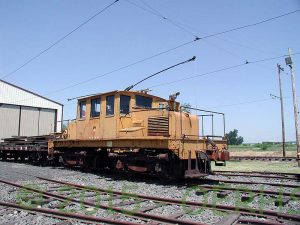 |
| Ex-Montana Freight L401 (OERHS) |
By the 1970s, the collection gained its biggest acquisitions yet in the form of five ex-Montana Freight steeplecabs from Missoula, MT. An Angelino even made it way up in the form of ex-Los Angeles Transit Lines 1318, an H3-type from 1923, but was too narrow-gauged to operate. Unfortunately, by the time the Council Crest cars 503 and 506 arrived, the line was further dilapidated.
In 1987, following Southern Pacific's abandonment of the "Jefferson Street" line through Lake Oswego, the ICC's cancellation gave the city of Portland to form a consortium that would purchase the line for future transit use. Lake Oswego, Trimet, and Clackamas and Multnomah Counties made up this consortium and later that year on September 12, the OERHS was granted a trial run of a heritage streetcar to drum up interest in the line. The line never had any wires as part of an electric railway, so an electric generator car was created to provide the juice needed.
 |
| Blackpool No. 48 at its new home on the Willamette Shoreline Trolley, with generator towed behind (Steve Morgan) |
Luckily, the Antique Powerland Museum in Brooks, Oregon, had enough room to add the large collection onto their property. The last car would run at Glenwood in 1995, with the new Oregon Electric Railway Museum opening at Powerland in 1996. Though still possessing one mile of track and overhead, the museum had enough room to add in a new Brussels tram and work car fleet in 2015, as well as ex-MUNI PCCs, a Fresno Birney, and more Mount Hood and Portland repatriates in the 1990s. The museum continues to operate well into today, with the biggest weekend being the Great Oregon Steam-Up in late July/early August.
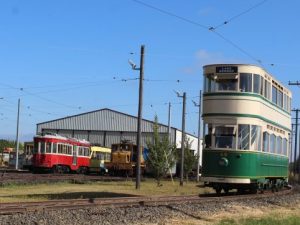 |
| Blackpool 48, now retired from the Willamette Shore Trolley cruises past the Brooks carbarn, with Milan Interurban 96 and Montana Freight Motor L401 at left (OERHS) |
Thank you for riding with us on this new and strange journey into 2020. Next month, we cover the Seattle and Tacoma streetcars! Ride safe!
Wednesday, January 29, 2020
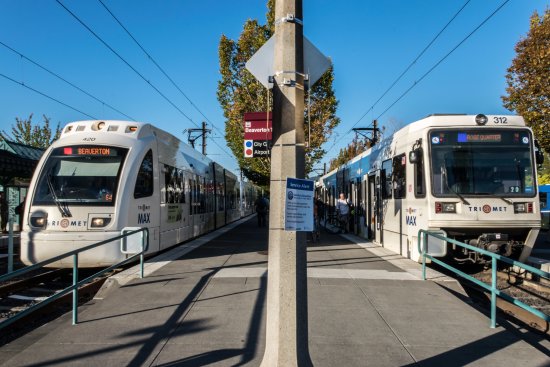
Trolley Tuesday 1/28/20 - Portland TriMet MAX
Ever since it first operated in 1986, the Portland TriMet light rail has been one of the most well-developed and accessible transit services in the United States with frequent services, useful accessibility to local attractions in and out of the city, and immediate connectivity with the eventual Portland Streetcar and WES services that came after. Now ranked as the fourth busiest light rail system in the United States, behind Los Angeles, San Francisco, and Boston, the story of the Trimet really begins by doing the exact opposite of what LA, SF, and Boston all did: bucking the freeways.
Following World War II, city transportation planner Robert Moses was commissioned by the Portland City Council to design new freeway systems to help the city grow in the wake of shrinking rail transit services. Fed by the allure of cars and the possibilities of unchecked suburbanization, Moses proposed fourteen freeways in 1955, but only four would eventually be built. Two of them, the Mount Hood Freeway and the Interstate 505, were routed to cut through over 1,500 homes down Powell Street. To say the city rioted would be an understatement.
The Banfield Light Rail would follow the alignment of one of the original freeways proposed by Moses, that being the I-84 and would eventually open on September 5, 1986 using 25 Bombardier "Type 1" Light Rail cars (also known as "high-floors"). Less then two months before opening, Trimet branded the new service as "MAX" (Metropolitan Area Express) and plans were already drawn up for an extension west across the Willamette River between Beaverton and Hillsboro. This split the MAX into the "Eastside" (to Gresham) and "Westside" (to Beaverton).
The rapid expansion of Portland International Airport (PDX) spurred its owner, the Port of Portland, to satisfy the worsening congestion and turned to the MAX for their answers. The Airport MAX line (colored Red) began construction in 1999 quite uniquely for a US transit line: utilizing no government funding and already having secured a right-of-way to use. Unfortunately, the timing of the Airport Line could not have been more unfortunate, as the line's opening ceremony was held on September 10, 2001.
For the rolling stock on the MAX, the first cars were constructed by Bombardier and are known as "Type 1" or "High-Floor" cars owing to the steep, 3-foot rise steps indicative of classic high-floor streetcars. The later Types 2-5 were constructed by Siemens, with the Type 2s sharing the exact same appearance as the Type 1s but having low floors. The Type 3s that followed the Yellow Line in 2003 would keep the same box look but would be composed of two sections rather than three, and the following Types 4 and 5 would have a more contemporary, "wormy" look with three-section trains.
Currently, the MAX is looking to improve the Red Line by using the Westside Extension to reach Hillsboro airport from Beaverton Transit Center that would put 10 more stations on the line. Tualatin and Tigard are also planned to get extensions from PSU, following Oregon Route 99. Three stations are also set to close in the Rose Quarter by this year, with two Mall stations being shut down in order to speed up service and Kings Hill/Salmon Street facing a one-year pilot closure by March 2020. Anything for efficiency in America's fourth-busiest transit system.
And finally, the Portland MAX's biggest claim to fame came in February 13, 2001, when an errant coyote boarded an Airport Service on the Red Line much to the bewilderment of the passengers. Eventually he was shooed away by Animal Services, but the event was significant enough that Modest Mouse (themselves from across the river in Washington State) immortalised the event in 2015 by making a music video where a coyote takes a couple MAX trains in the wee hours of the morning to the Rose Quarter. Watch it here if you are interested.
-----
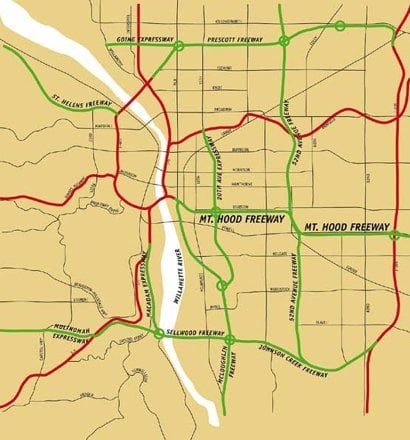 |
| Robert Moses' plan to criss-cross Portland with a bunch of freeways, 1955 (BikePortland.org) |
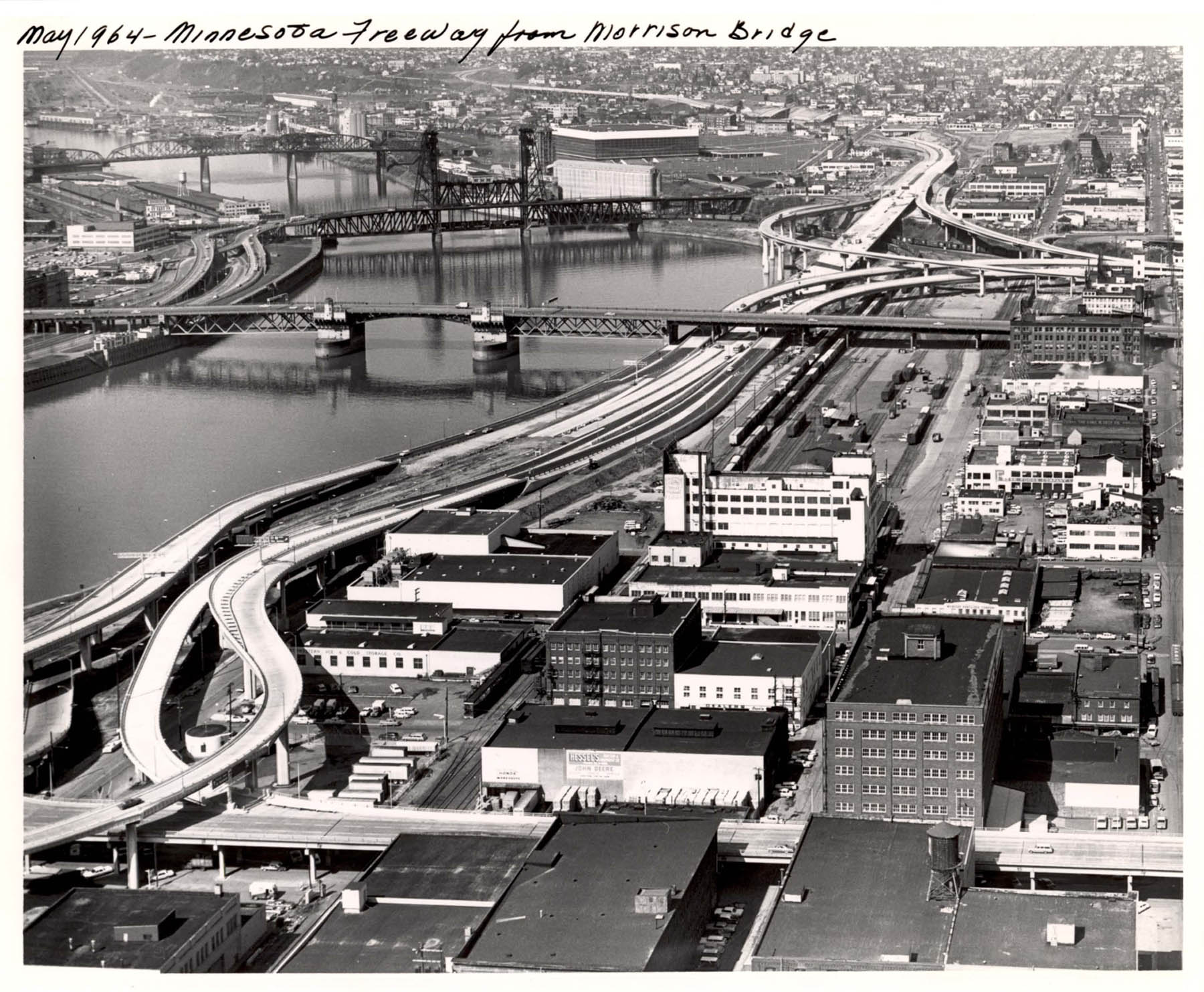 |
| The Minnesota Freeway from Morrison Bridge, 1964 (Vintage Portland) |
By 1970s, freeways were socially taboo in the Rose City, but the council was still shacked with funds provided by the Federal-Aid Highway Act of 1973. So, to allocate those funds for better use, the city's Trimet public transit agency began studies to expand public transit. The highway division pushed for more bus services, but then-governor Tom McCall sided with light rail following a damning environmental impact statement that was later released. Five years later, in 1978, Trimet approved of the new "Banfield Light Rail Project" with a 15 mile section between 11th Avenue in Portland and Cleveland Avenue in Gresham slated for construction in 1982.
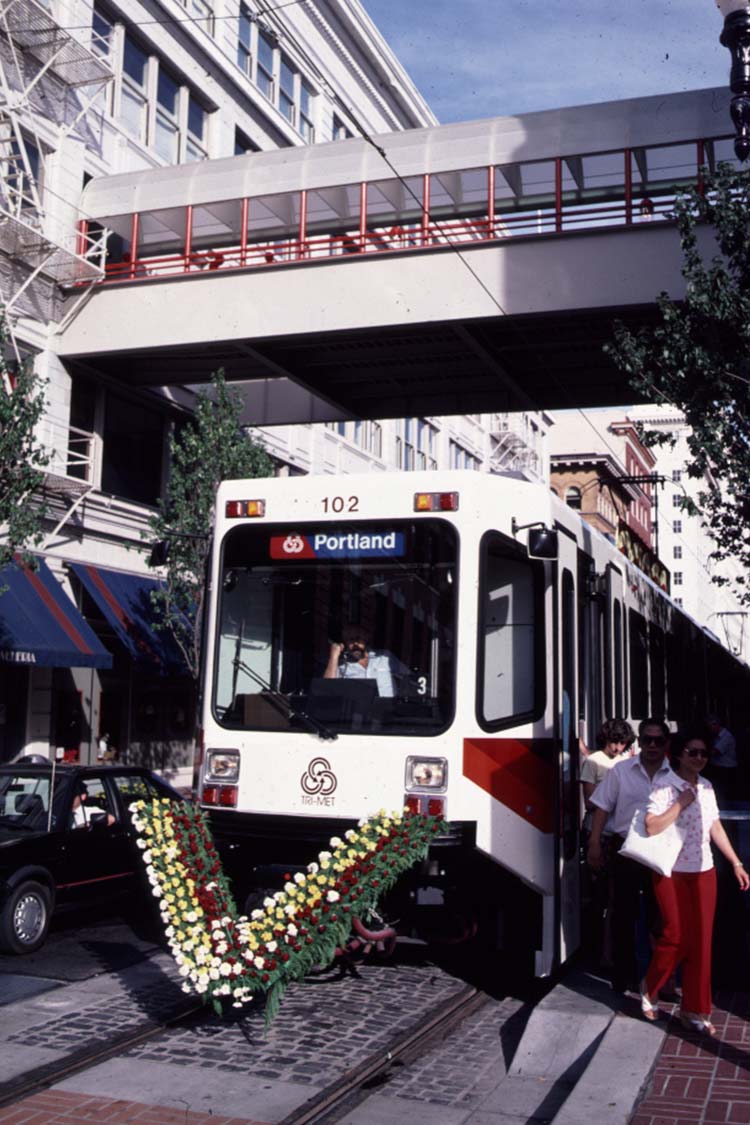 |
| The MAX opens for operation, 1982 (Portland Trimet) |
At the same time, Oregon Metro (under the city of Portland) noted the East-West corridor opened by the MAX and decided it would be a good idea to introduce light rail to Clackamas County. These routes would either go from downtown Portland to Oregon City via Milwaukie (utilizing some original sections of the Oregon Electric) or from Clackamas Town Center to the Portland Airport. The studies of both routes were completed in 1993, but unfortunately a tax proposal to extend the line to Washington state had failed. (This is, in my opinion, the biggest shortcoming of the line considering Vancouver, Washington is a suburb of Portland in all but status and name.)
 |
| Robertson Tunnel's East end under construction at Washington Park (Portland Trimet) |
1993 also facilitated the building of the MAX's biggest piece of infrastructure yet: the 18-mile, volcano-punching Robertson Tunnel under the West Hills volcanic chain. Boring started from Kings Hill and Salmon Street on the West Hills' east side, then out to the current Hatfield Government center. With the line from Gresham to Hillsboro stretching 33 miles, the complete line opened as a through service in 1998.
 |
| The MAX Red Line to PDX opens on Sept. 10, 2001 (Portland Trimet) |
The Airport Line would eventually be routed onto the Blue Line to alleviate overcrowding on the mainline, also creating a one-seat commute for people West of the West Hills to get to the airport from Beaverton Town Center. The "North-South" proposal from 1993 was also revisited, becoming the "Interstate MAX" project in 2001 and planned to run just in North Portland only: from the Rose Quarter to the Portland Expo Center. Urban renewal support (real estate for hipsters) was drummed up to minimize costs and in 2004, the Yellow Line officially opened, also being the third line to run across the Steel Bridge (along with the Red and Blue Lines).
 |
| A MAX train to Hillsboro crosses the Steel Bridge (Wikipedia) |
 |
| A MAX Type 1 leads a Type 2 over the Tilikum Crossing in 2016, bound for Milwaukie (Steve Morgan) |
The current final pieces of the Trimet MAX were opened in 2003, starting with the completion of the Yellow Line, that being the Green Line from Clackamas Town Center and the Orange Line from Portland to Milwaukie via Hawthorne Bridge. The Green Line opened on September 12, 2009, sharing alignments with the other four lines above, and brought about a revitilization of the Portland Transit Mall, a pair of one-way transit corridors that were originally operated by just buses. The Orange Line would make use of the Tilikum Crossing, a bridge over the Willamette that would open only to bus, light rail, bicycle, and pedestrian traffic between Portland State Universty (PSU) and the Oregon Rail Heritage Foundation (ORHF) and Oregon Museum of Science and Industry (OMSI) just north of the former.
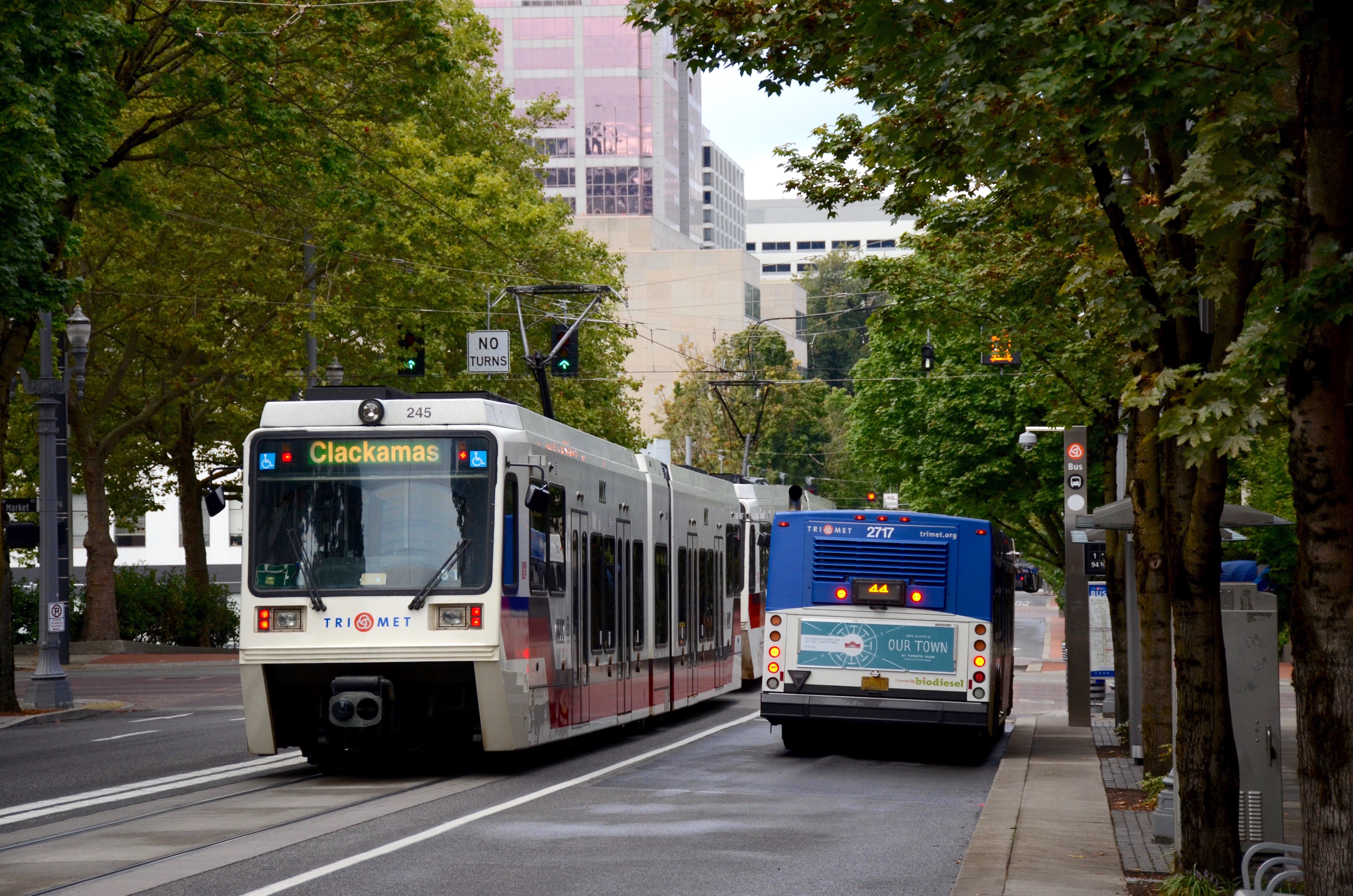 |
| Siemens Type 2 245 shares the Portland Mall with a bus, bound for Clackamas (Steve Morgan) |
 |
| (The Oregonian) |
Currently, the MAX is looking to improve the Red Line by using the Westside Extension to reach Hillsboro airport from Beaverton Transit Center that would put 10 more stations on the line. Tualatin and Tigard are also planned to get extensions from PSU, following Oregon Route 99. Three stations are also set to close in the Rose Quarter by this year, with two Mall stations being shut down in order to speed up service and Kings Hill/Salmon Street facing a one-year pilot closure by March 2020. Anything for efficiency in America's fourth-busiest transit system.
And finally, the Portland MAX's biggest claim to fame came in February 13, 2001, when an errant coyote boarded an Airport Service on the Red Line much to the bewilderment of the passengers. Eventually he was shooed away by Animal Services, but the event was significant enough that Modest Mouse (themselves from across the river in Washington State) immortalised the event in 2015 by making a music video where a coyote takes a couple MAX trains in the wee hours of the morning to the Rose Quarter. Watch it here if you are interested.
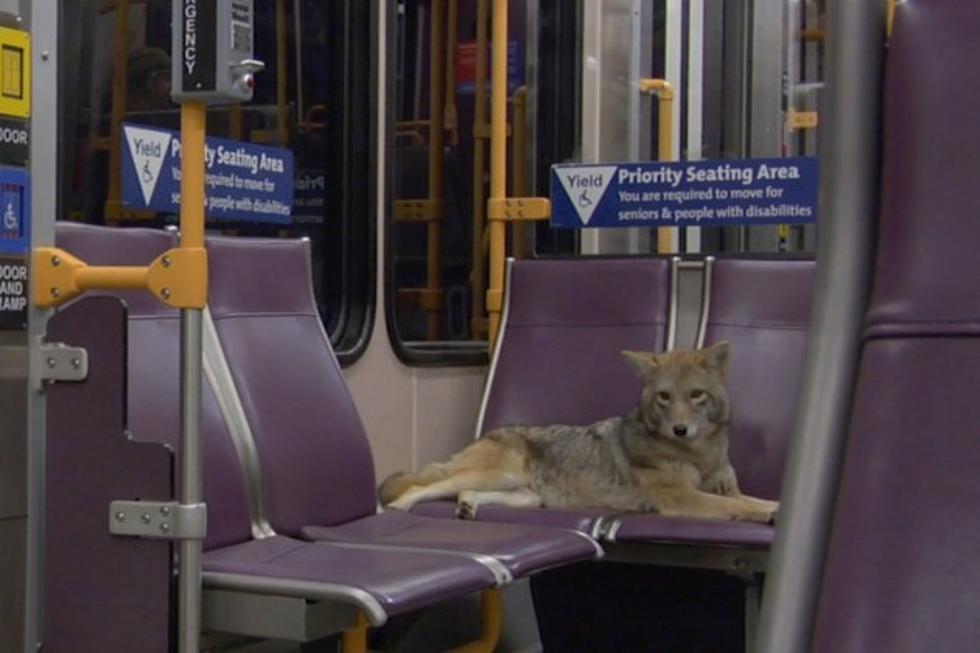 |
| Obviously, coyotes take priority. (Modest Mouse) |
-----
Thank you for reading this delayed Trolley Tuesday installment! Come back tomorrow where we finish the month off with a report on the history of the Oregon Electric Railway Museum, then check back Friday where the first "From the Archives" episode will be posted here! Now ride safe out there, and save the coyotes.
Tuesday, January 21, 2020
Trolley Tuesday 1/21/20 - Portland Traction's Other Cars
-----
 |
| Ex-Mt Hood 1125 as PTCo 1049 (Don Ross) |
 |
| PTCo 1100 near the end of its life in Oregon City, looking quite worse for wear. (Don Ross) |
 |
| PTCo 4001 in Portland, just after entering service in the late 1940s (Don Ross) |
 |
| PTCo 4006 hustling towards its next destination (Don Ross) |
 |
| PTCo 4008 (Ex-YVT 20) making its way towards Bell Rose (Don Ross, Bill Volkmer) |
 |
| Portland-original Master Units 804 and 805, showing off the narrow gauge track (Cape gauge) they originally ran on (Richard Thompson. |
 |
| PTCo 4011 (Ex-Key System 899/987) in service at Milwaukie Trstle (Bill Volkmer, Don Ross) |
Much farther down, some preserved streetcars would end up leased by the PTCo such as ex-Key System 899, which was donated to the Bay Area Electric Railway Association in 1948 following abandonment. The car was then loaned to PEPCO for continued maintenance and operation (as 4011) until Oregon City discontinued service in 1958. This was due to the BAERA not having any room to store the car, much less find a place to run it.
 |
| Ex-Pacific Electric 680 in service as PTCo 4022, departing Portland for Oregon City (Ralph Cantos) |
Joining the Key System 899 were seven ex-Pacific Electric Hollywood cars in 1953, comprising numbers 4015-4022. All were St Louis-built 600-class Hollywood cars meant for suburban running, and not the faster "Valley Seven" high speed cars. Following cessation of service in 1959, all but one would go right to the scrapper's torch, often in quite a spectacular manner.
 |
| A fiery end for Portland Traction 4017 in 1959 (Richard Thompson) |
 |
| Yakima Valley 22, the "Bob Hively" preserved as a parts car for Yakima 21 (Keith Owen) |
Of the cars that do survive of the PTCo's hand me down fleet, Master Units 4009 and 4010 found their way back to Yakima by 1989. 4010 had been sold to a private owner named Robert Hively by 1959. Both are preserved in their original numbers (YVT 21 and 22) at the Yakima Electric Railway Museum and 21 still operates for rides.
 |
| Key System 987 preserved at the Western Railway Museum (Robert Gadsdon) |
Ex-Key System 899 (ex-PTCo 4011) is preserved at Rio Vista's Western Railway Museum in operating condition, now renumbered as 987 (due to replacing the wrecked original on the roster sheet. The car is notable as being a homebuilt copy of an American Car and Foundry design, and was the second car to arrive at Rio Vista.
 |
| PTCo 4001 (Interstate Public Service 924) being prepared to return to the carhouse after a day's running at the WRM. (Hunter Lohse) |
Also at Rio Vista is PTCo 4001, originally Interstate Public Service 924. Following retirement, the Northern California Electric Railway Museum Association bought the car in 1959 and sold it to the Western Railway Museum in 1960. It is currently restored as PTCo 4001, in a handsome shade of blue.
Finally, one Pacific Electric car survives from the fires of Portland Traction: Ex-PE 680 (PTCo 4022). Retired in 1959, it was donated to the Washington County Fairgrounds, who then put it at Glenwood's Trolley Park before selling it to private owner Eugene Stoller in Woodburn, Oregon. While in Oregon, the car's surroundings lacked the dryness necessary to keep the car from rusting, so in 1992, it was sold derelict to the Seashore Trolley Museum in Kennebunkport, Maine. It is currently undergoing heavy restoration back to PE condition.
 |
| Pacific Electric 680 in happier times, headed for North Hollywood (Don Ross) |
-----
That was the many motly passenger cartypes of the Portland Traction! Join me Thursday when we look at the interesting freight locomotives of the Traction before we zoom into the future to cover the Portland's Trimet railway line and the history of the Oregon Electric Railway Museum. Thanks for reading!
Thursday, January 16, 2020
Trolley Thursday 1/16/20 - The Council Crests
Pacific Electric had the Hollywood Cars, Oakland had the Bridge Units, but if you were to ask any Portland native what their iconic streetcar was, almost anyone with the knowledge would say that it was the "Council Crests". Made as intense hill-climbers for a world's fair, these cars would go on to serve Portland for almost 50 years, and a few even longer into the 21st Century in some small pockets of neverending nostalgia.
-----
Named for their route up to the same-named Amusement Park, the original order of 10 cars ran on Cape gauge track (42 inches, or 3'6") and were manufactured by the American Car Company of St. Louis in 1904, just in time for the 1905 Lewis and Clark Exposition. The line to Council Crest's peak would be completed in 1906, and the cars' ubiquity on the route, some 1150 feet above the city in Portland Heights, soon earned them the nickname with their climbing ability granted by low gearing. (And keep in mind, they were replacing a cable car line.)
Car 503 would end up de-wheeled and donated to a local Portland Boy Scout troop as a clubhouse. In 1960, the car passed hands into the Oregon Electric Railway Historical Society (OERHS), who put it on display at their Glenwood Trolley Park heritage line. By 1976, the trolley was restored for operation, complete with new standard-gauge trucks from an Australian donor car. In 1980, for Trimet's 10th birthday, it was placed on display in Downtown Portland.


 |
| Apologies for the nightmare fuel (PDXHistory.com) |
Named for their route up to the same-named Amusement Park, the original order of 10 cars ran on Cape gauge track (42 inches, or 3'6") and were manufactured by the American Car Company of St. Louis in 1904, just in time for the 1905 Lewis and Clark Exposition. The line to Council Crest's peak would be completed in 1906, and the cars' ubiquity on the route, some 1150 feet above the city in Portland Heights, soon earned them the nickname with their climbing ability granted by low gearing. (And keep in mind, they were replacing a cable car line.)
 |
| Council Crest 502 showing off the steep grades on SW Montgomery Drive, 1949 (CafeUnknown) |
The cars were also, mechanically, products behind their time, as they lacked any kind of Westinghouse air brake like any other contemporary streetcar and instead used magnetic and hand brakes to stop. (If you want to see what disaster magnetic brakes can bring, click here) Nevertheless, the cars operated the three narrow-gauge lines without incident (the other two traveling through Goose Hollow to reach Union Station at 5th and Irving) until 1950, when incoming bus traffic replaced it.
 |
| It has a caption already. (HeritageTrolley.org) |
In the intervening years, Car 503 would visit San Francisco twice for their summer trolley festivals that would eventually birth the F Market and Wharves line. and serve as a testbed for the Willamette Shore Trolley and the Portland Vintage Trolley. Age proved to be a factor in retiring 503, as its end platforms were determined too weak for further heavy use, so in 1997, 503 left Glenwood Trolley Park to move into the new OERHS museum in Antique Powerland, Brooks.
 |
| Council Crest 506 being trucked to its new plinth atop the park, 1950 (PDXHistory) |
Its younger sister, 506, was as lucky but still endured its own hardship. After retirement, it was donated to the Oregon Historical Society and plinthed at Council Crest Park in 1950. There it would stay, proudly overlooking its former city of service until Halloween Night, 1972, when it was heavily vandalised. With its former home at the PTCo Central Street Shops planned for demolition, 506 was then trucked to Glenwood to join 503. It also joined 503 in Brooks, but considering it still kept its original narrow gauge trucks, it's safe to assume 506 will need help being restored.
Council Crest 503 and 506 under cover and undergoing restoration at Antique Powerland, Brooks
(Placepages)
While 503 and 506 remain the only original Council Crest cars left, four replicas manufactured by Gomaco have also been made to recreate the original services under the new Portland Trimet's MAX light-rail system. Between 1991 and 1992, these four cars (511-514) were built with certain considerations to the modern system and construction practices. This would include steel frames under wood cladding and what can safely be described as a "pantograph pole" for the new light rail wire, combining the stiffness and rigidity of two trolley poles with the wide collection of a pantograph.
 |
| The fab four, ready for service (Gomaco) |
 |
| Car 512 meets an outbound MAX Blue Line car to Gresham (NYCSubway.org) |
With the slogan proclaiming "See Portland from Council Crest", the cars began service in November 29, 1991 under the auspices of Trimet and Vintage Trolley, Inc as the "Portland Vintage Trolley". As a non-profit, the cars operated for the public with no fare, aside from a discretional donation. The Vintage Line itself was 2.3 miles long, between the Lloyd Center across the Willamette to the west end of Downtown. This was changed in 2009 to stay within the west side of Portland, going from Union Station to Portland State University (PSU).
 |
| Car 511 meets a Portland Streetcar at one of the steep grades on the North-South line (Dan Haneckow) |
The cars would operate solo, with one car set aside for spare service, with no intentions of having them compete or even supplement the busier, bigger MAX light rail or the smaller, yet still busy Portland Streetcar loops. The cars would also endure many changes and operating/maintenance difficulties to themselves, gaining side mirrors and turn signals in 2001 for safety, and the new Streetcar extension from PSU to the Riverplace district had a grade too steep for the Gomaco motors to handle.
By early 2013, Council Crest 513 and 514 were sold to the Willamette Shore Trolley (originally tested by 503), where they still run today. both cars had not moved since the Vintage Trolley ended on the Portland Streetcar system. They do run with battery boxes similar to the Astoria Waterfront Trolley, but are still electric through and through. Cars 511 and 512, the workhorses of the Vintage Trolley, were sold to a group in St. Louis that created the disastrous and short-lived Delmar Loop Trolley. Both cars would leave in 2014 and commence new operation in 2018, but the system would close in 2019 due to lack of ridership.
 |
| Council Crest 513, now lacking poles, trundles past the New Sellwood Bridge in 2018 (Steve Morgan) |
 |
| Ex-Council Crest 511 (now Loop 002) on the former St. Louis Delmar Loop Trolley, sporting a new pantograph. (St. Louis Public Radio) |
-----
Today, you can still ride Council Crest 513 and 514 at the Willamette Shore Trolley, with cars 503 and 506 enjoying visitors at Antique Powerland in Brooks. I advise you to visit both of them, and show your support to the OERHS at their Shore Trolley or Oregon Electric Railway Museum (or as I call it, OERM-North). Thank you for reading! (I promise next Tuesday I'll do the OTHER Portland streetcars)
Tuesday, January 14, 2020
Trolley Tuesday 1/14/20: Portland Traction, or PEPCO
They were once cited in "Electric Railroads" magazine as “one of the most progressive interurban lines in the United States today." Sadly, this wasn't enough to save the mighty Portland Traction Company, but as you'll come to find, it never really went away. Welcome to Trolley Tuesday's coverage of the Portland Traction Company, popularly known as PEPCO.
The first couple of years were confusing for the new company, as the former OWP&L lines were run seperate from the new PRL&P consolidated lines. A shift in management in 1908 made for smoother running and in 1911, the new Mt. Hood Railway and Power Company branch opened with the intention to reach Idaho (of all places.) Ultimately, the railway ended in Bull Run, Oregon, and all holdings were sold to PRL&P via PGE in 1912.
The Hawthorne Bridge's rebuilding proved to be the final nail, as no electric cars roamed west of the Willamette River due to the existing street rails being removed in the process. Diesels would take over from Portland Traction's freight division and the final electric operations (passenger and freight) occured in 1958, bringing the PEPCO to a close.
-----
 |
| An interurban excursion special in Oregon City, late 1890s (PDXhistory.com) |
The origins of the PEPCO go back to 1891 with the creation of the East Side Railway Company. It wasn't the first street railway in Portland, as covered previously, but it was the genesis for Portland Traction as it gobbled up other local street railways into one massive company helmed under the guidance of Fred Morris. Morris intended the PT to run all the way down to Eugene, Oregon, but faced intense pressure from the competing Southern Pacific, then run by E.H. Harriman.
Unable to reach the intended destination in Eugene, PT's construction crews instead focused on the line between Lents and Gresham and plans were made to construct a new dam and powerplant (in what is now Cazadaro) to power the new extension. Due to the expansion of services in power delivery as well as rapid transit and real estate in 1902, the East Side Railway was rebranded as the Oregon Water, Power, and Light Company. (OWP&L)
 |
| Oaks Amusement Park, circa 1905 (Oregon Live) |
Inbetween construction of the new dam, OWP&L continued expansion into Sellwood, Boring (with a new power station), and Troutdale by 1905. Money was also invested into popular destinations, as Oaks Amusement Park opened under the company in 1904 to bring more money in on the weekends. A spur and balloon loop around the park was also constructed, which the current Oregon Rail Historical Foundation (ORHF) uses a section of today.
In 1906, the OWP&L was sold to several interested parties, including the Milwaukee Road (who wanted the Troutdale Branch to reach Portland), Oregon Electric (who wanted the Oregon City branch for the same reason), Portland Railway (wanting the street railways in downtown), and Portland General Electric (PGE, wanting the Cazadaro powerplant on the Clackamas River.) In the end, Portland GE and Portland Railway would have joint ownership of the OWP&L, becoming the Portland Railway Light & Power Company. (PRL&PCo.) Still with us? Just checking.
 |
| Portland Railway Light & Power Logo (Wikipedia) |
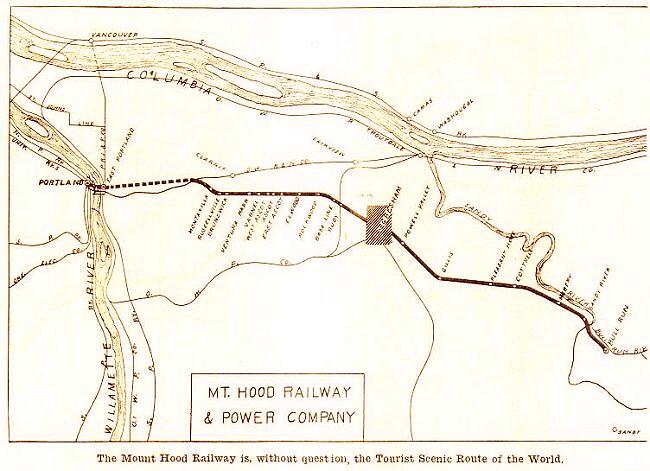 |
| Mt. Hood Railway and Power Map (PDXhistory.com) |
Between 1912 and 1924, the PRL&P ran like any street railway in the US did in the early 20s: a huge spike in passenger traffic, then a long descent in profits onces people started buying automobiles. By 1924, PRL&P needed reorgnization due to multiple financial problems and was then reorganized and branded into Portland Electric Power Co, or "PEPCO". Or just the "PEP". Further reorganization included rehabilitation of still-used trolley systems and new passenger buses.
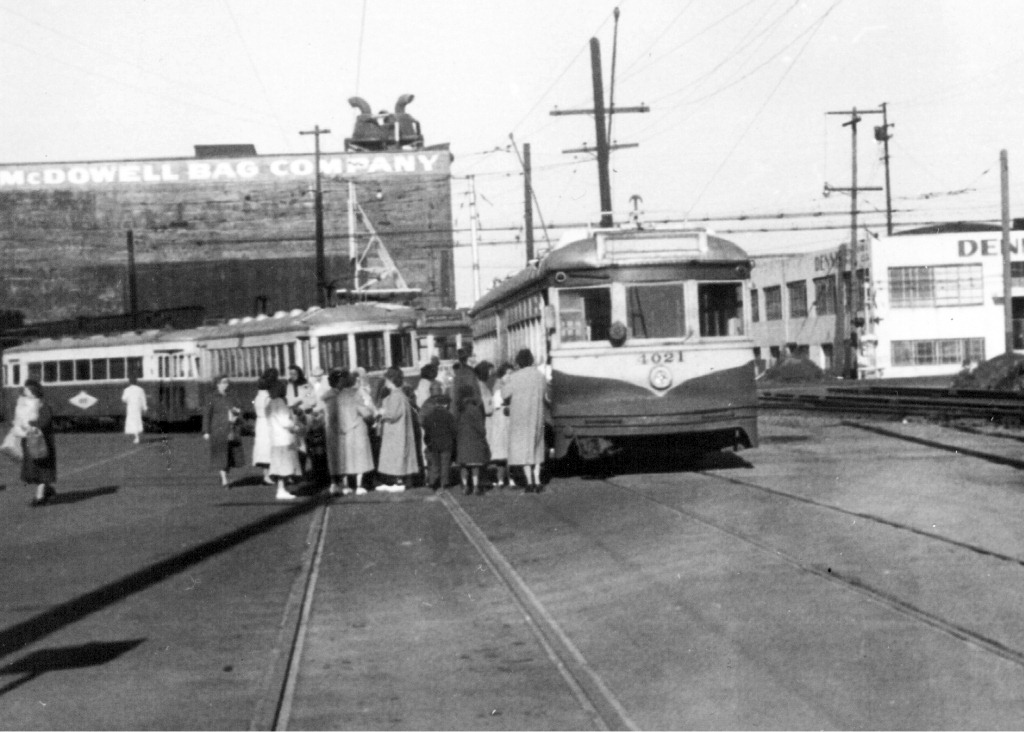 |
| Portland Traction (PEPCO) cars outbound for Oregon City. Wait, is that a Hollywood Car? (AmericanRails.com) |
The Stock Market Crash of 1929 forced another reorganization of PEPCO as the Pacific Northwest Public Service Company, but the "PEPCO" name would still run the rail and bus services, with new company Portland Traction created to run the freight services. However, the company and its trolleys were still in massive dire straits.
In the early 1930s, the line to Estacada via Boring was cut off when the Boring trestle burned down (it was an incredibly nondescript fire). Due to the cessation of logging traffic and no major business in Estacada, the line was abandoned. By the late 1930s, PEPCO hoped some freight railroad could take their heavily-unprofitable interurban lines, but the possibility of having to run passenger services halted any potential buyers.
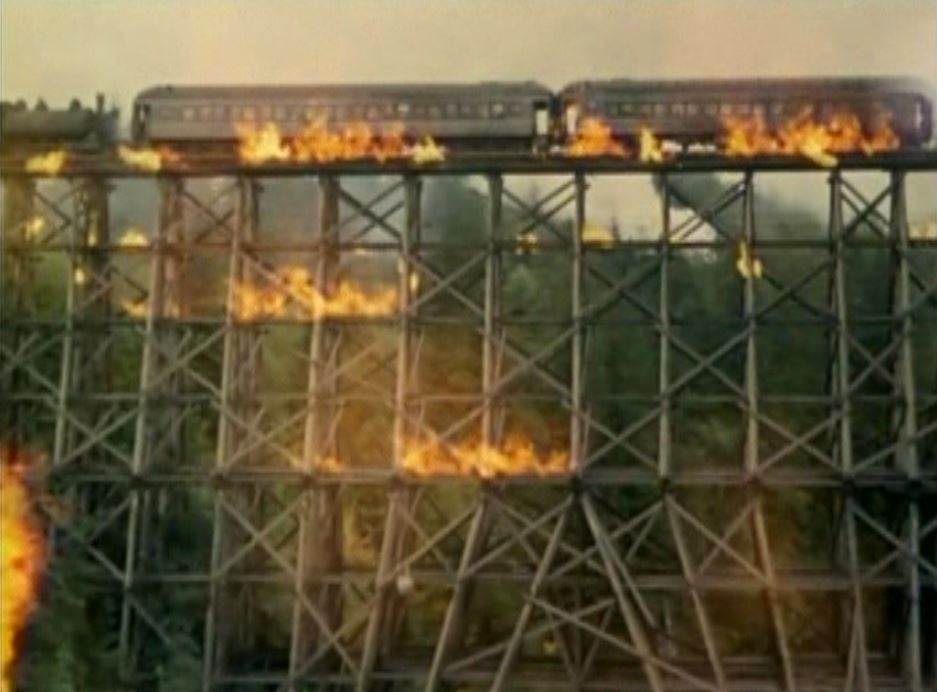 |
| Screenshot of "Ring of Fire" used for dramatic purposes illustrating the Boring (yawn) trestle fire (MGM Studios) |
WWII did not bring a resurgence in business like it did with the other big electric roads in California; instead, a new highway out to the Boring logging companies (yawn) were made instead of rebuilding the burned trestle bridge. Today, out to Estacada, an abnormally large highway still exists that goes straight to nowhere. The bridge remains have since vanished in time.
After 1946, the company was sold to a California-based holding company called Portland Transit Co. Portland Traction would continue operation of the city-based streetcars while Portland GE would be spun off, seperate from the railroads. No efforts were made by Portland Transit to continue expansion, as they were more interested in selling redundant or unprofitable lines for the quickest buck possible.
 |
| Portland's Hawthorne Bridge ramp, westbound, 1957 (Vintage Portland) |
PEPCO continued to be seen on local area timetables between the Union Pacific and Southern Pacific Railroads, who acquired what remained as a joint ownership in 1962. The outer lines would be closed off in the 1970s and 1980s as business dried up, with the Gresham line sold to Portland Trimet for the current MAX line.
 |
| Portland MAX Train bound for Gresham via Blue Line, crossing the Steel Bridge (Trimet News) |
The final remains of the PEPCO is a 6.5 stub between East Portland and Milwaukie purchased by Mr. Richard Samuels in 1987. He initially called his shortline operation the East Portland Traction Company in tribute, but it is now better known as the Oregon Pacific. He also purchased and restored Portland Traction No. 100, an EMD SW-1 which originally took over the electric freight engines in 1952. Today, the OPRR runs PT No. 100 on the ORHF's weekend trains out to Oaks Park and the 6.5 mile line continues to see business from local suppliers and sawmills.
 |
| Portland Traction 100 on the OPRR's Oaks Park Line (Oregon Pacific Railroad) |
 |
| Richard Samuels with OPRR 1415 at the ORHF's yards (Portland Tribune) |
-----
Thank you for reading today, and join us on Thursday when we look at the many cartypes of the Portland Traction! You might even see some familiar faces along the way. Until then, ride safe and keep your pole on the wire!
Thursday, January 9, 2020
Trolley Thursday 1/9/20: Oregon Electric Railway
Welcome to the brand-new Trolley Thursday format! Please don't track your muddy feet in my car. Before we start, hope you enjoy this brand-new format and I'll see you after the- BRAKE!
-----
 |
| Credit: PDXhistory.com |
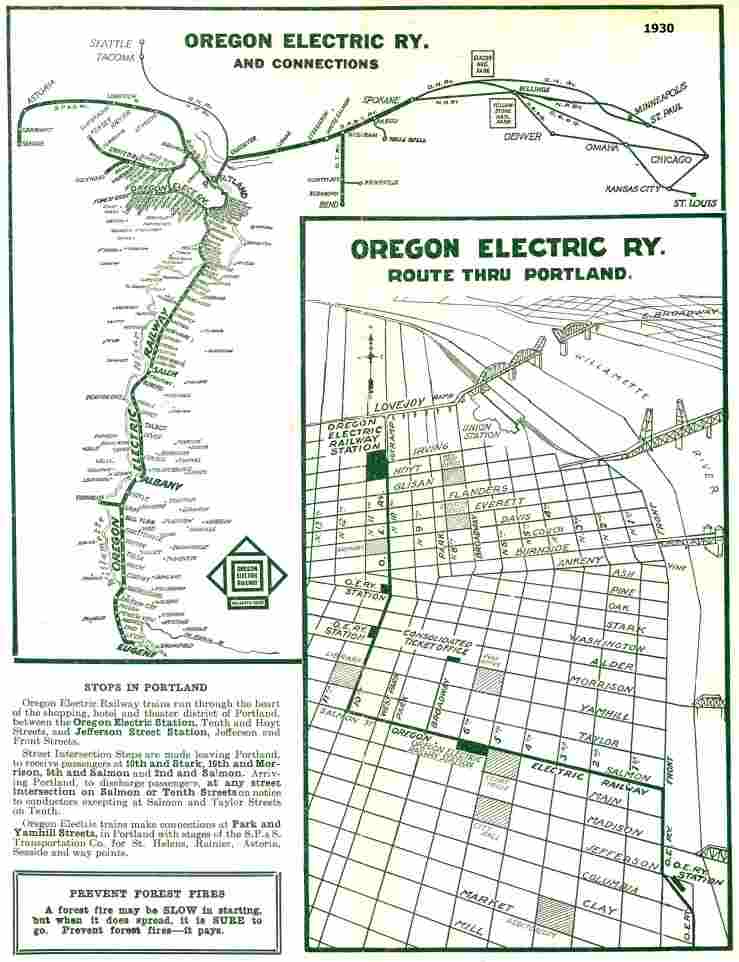
On January 1, 1908 (112 years this year, actually), the WVTC officially opened its Portland-Salem mainline and later renamed itself to the “Oregon Electric” that same year. Great Northern would purchase the interurban company. The Spokane, Portland and Seattle (SP&S), an interchange road between parents GN and NP, would be selected to run the railway operations. James J. Hill, who wholly owned the SP&S, intended for the interurban to be a stopgap to keep E.H. Harriman’s UP & SP out of the territory.
 |
| Photo credit: PDXhistory.com |
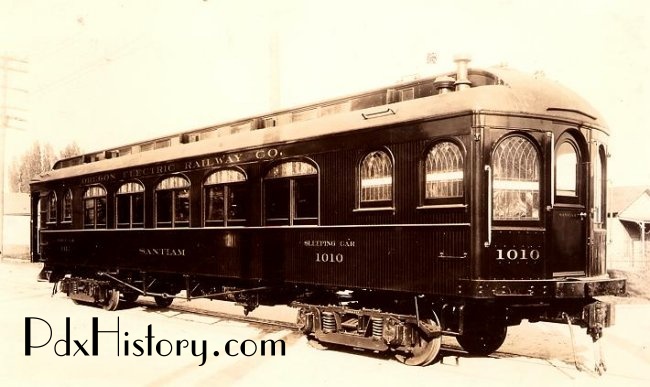
Passenger service on the OE was supplemented by lavish parlors and observation cars, much like the Sacramento Northern to the south, built by the Niles Car Company. As luxurious as they were, they were also quite slow with normal service speed being 45mph.
However, speed was not so important to the OE, compared to the hustle of the SP’s Red Electrics with their faster schedules. Luxury was the name of the game, and at one point, OE even boasted a sleeper car alongside their parlor observations. There's no doubt that it was a haven for weary commuters heading back home.
 |
| Photo credit: Well... it's right there. |
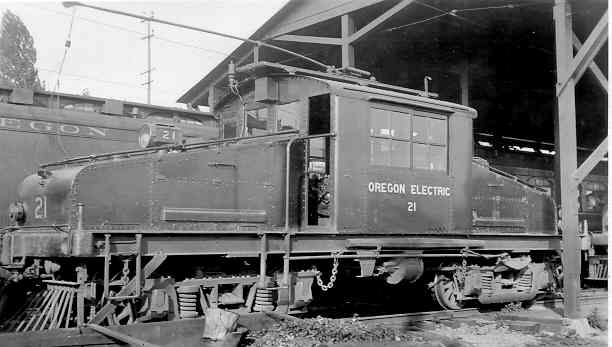
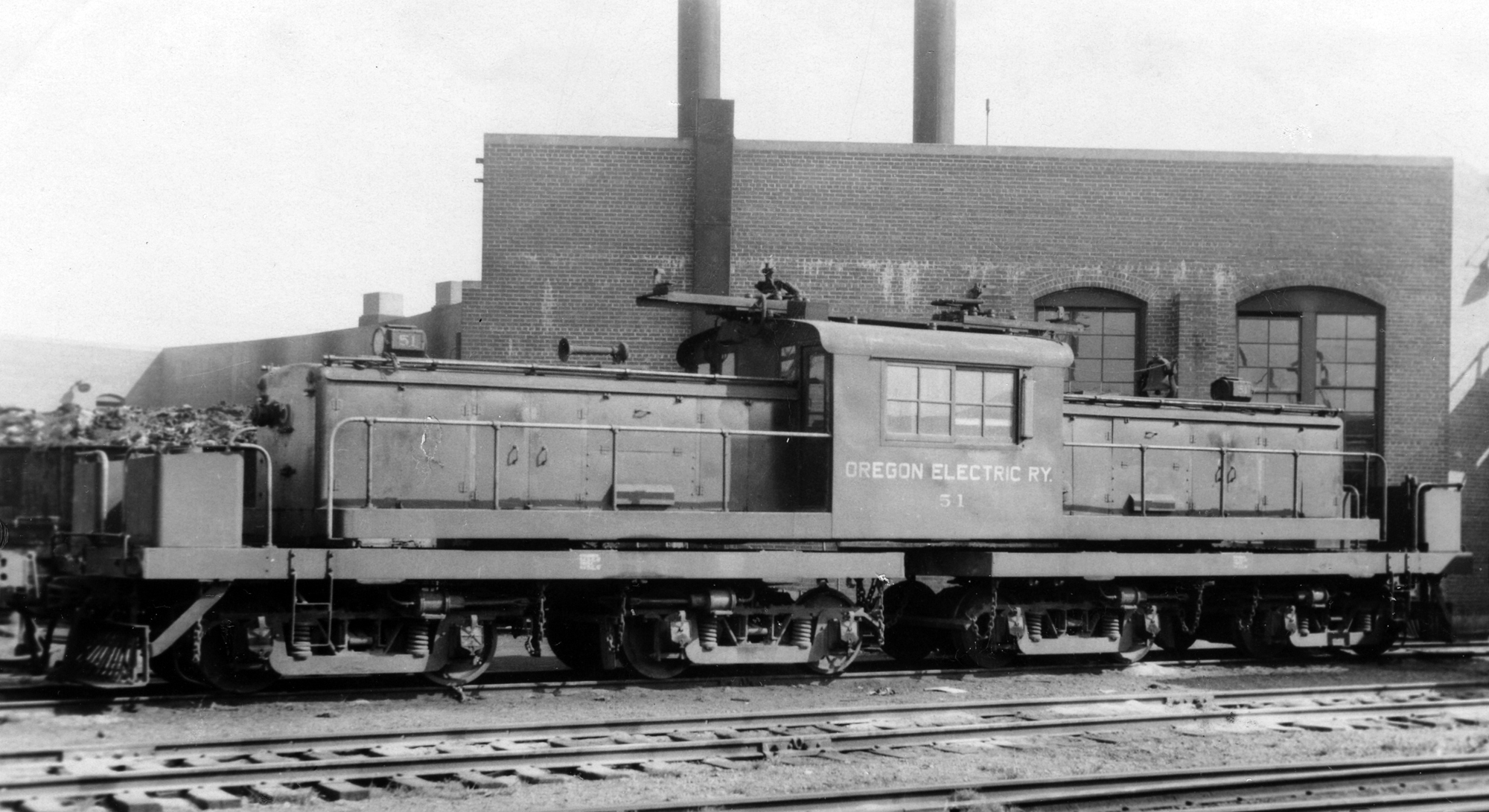
The run between Portland and Eugene would take about 4 hours one-way, but passengers were of little importance (and brought little profit) to the OE as the main money came from freight operations (like the Albany extension), and this brought along some handsome electric locomotives.
 |
| Photo credit: Oregon Electric Railway Museum |
 |
| Photo credit: AmericanRails.com |
 |
| Photo credit: Amos Anonymous |
The Oregon Electric continued to operate as a dieselised road until December 31, 1994, when inheritor Burlington Northern ran one last freight train on the Portland-Beaverton route. Ownership was then passed to a joint ownership of BNSF, the state of Oregon, and Portland & Western.
The SP&S briefly returned to the former Oregon Electric in mid-1999, when Northern No. 700 ran a series of excursions in conjunction with the P&W on the Portland-Beaverton route. Since then, it has remained a freight shortline interchanging with the BNSF.
 |
| Photo credit: Robert D. West |
Another return on the OE was passenger service on the Tigard-Wilsonville line, which is now part of Portland Trimet’s Westwide Express Service (WES) diesel interurban line (featuring ex-Alaska/New Haven and Via Rail RDCs in occasional service). The OE branch between Hillsboro and Beaverton is also now part of the TriMet's MAX Blue Line, bringing another return of interurban light rail.
 |
| Photo credit: Dan Haneckow |
 |
| Photo credit: TripAdvisor |
 |
| Photo credit: Another Believer |
Concerning infratructure, the stations in Eugene and Albany have found new leases on life as popular restaurants, while the site of the Multnomah depot is now a supermarket parking lot. Even into the modern day, city workers in Eugene have been uncovering the old tracks following Fifth Avenue, two blocks from what is now the Oregon Electric Station restaurant. Even with the rolling of history, you can’t keep a good electric railway down!
-----
Join us next Tuesday, when we finally take a look at the tiny little cars of the Portland Traction Company, and even see some familiar faces along the way! Thanks for reading and ride safe!
(Also forgive the slight formatting mistakes, this is the only post that'll have these Twitter-format issues)
Subscribe to:
Posts (Atom)